
Fish species · Bottom feeder
Common carp: the strong, cautious bottom feeder
Carp are clever, wary and incredibly strong. They reward patience: find where they feed, put a bait on the bottom and wait for the line to move.
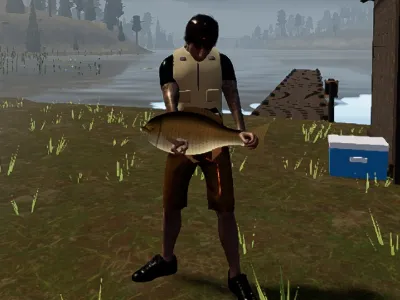
How to recognise a common carp
The common carp (Cyprinus carpio) is a heavy, deep-bodied fish with large golden-bronze scales, a long dorsal fin and two pairs of barbels at the corners of its mouth. It feeds by sucking food up from the bottom and sifting it. Carp grow big: fish of 2–5 kg are common in many waters, and specimens over 10 kg are the goal of dedicated carp anglers.
Where carp live
Carp like warm, still or slow water with soft bottoms rich in food:
- Weedy margins and shallows, especially in warm weather.
- Reed beds and lily pads, where they browse for snails and larvae.
- Open silt beds, where they root for bloodworm.
- Areas of overhanging trees, which drop insects and provide shade.
When carp feed
Carp feed most confidently at night and in the early morning, and on warm, overcast days. They are quite temperature-sensitive: in summer they are active and roam widely; in winter they slow down and group up in a few spots.
Signs of feeding carp are worth learning: bursts of bubbles, patches of cloudy water, carp rolling at the surface and reeds twitching as fish push through.
Best baits for carp
- Sweetcorn — bright, sweet and cheap; a few grains on a hook or on a hair rig.
- Boilies — hard round baits that small fish leave alone, good for targeting bigger carp.
- Bread, floating or on the bottom.
- Pellets and groundbait to draw fish into your swim.
- Worms — a good all-round bait in cooler water.
How to catch carp
- Find the fish. Spend a few minutes watching the water for bubbles, clouds or rolling fish.
- Fish on the bottom. Set your float so the bait lies on the bottom, or use a simple leger rig.
- Feed a little. A small handful of corn around your hook bait keeps carp searching the spot.
- Be patient. Carp often test a bait several times before they take it.
- Strike when it moves off. A proper carp bite usually pulls the float steadily away or the line runs off. Then lift into the fish.
- Let it run. A carp's first run is long and powerful. Set the drag so it can take line, and keep the rod bent.
Handling carp
Carp are heavy. Use a large landing net and a padded unhooking mat, keep the fish wet and never let it flap on hard ground. Hold it low over the mat for photos.
Common Carp in Survival Angler
- Where to look
- Weed beds, Shallows
- Depth
- 0.5–5 m (2–16 ft)
- Most active
- Night & Dusk
- Best baits
- Sweetcorn & boilies, Worms & nightcrawlers
- Typical size
- 3 kg (6.6 lb)
- Trophy from
- 12 kg (26 lb)
- Float bite
- Slides away — the float glides off across the surface. Strike once it is moving steadily.
- How it fights
- Long, powerful runs — let the drag work and keep the rod up.
Numbers come straight from the game’s fish data, so the page and the lake always agree.
In Survival Angler, carp roam the weedy shallows and margins and feed best after dark. Sweetcorn or boilies on the bottom are the bait — set your float deeper than the water so the bait lies on the bottom. The bite is a slide: the float glides steadily away across the surface. Wait until it is moving, then strike. Expect a long, stubborn run, and let the drag do the work.
Frequently asked questions
What is the best bait for carp?
Sweetcorn is one of the best all-round carp baits: cheap, bright and loved by carp. Boilies, bread, pellets and worms also work. Fish them on the bottom, where carp feed.
Do carp bite at night?
Yes — carp often feed best at night and in the early morning, especially in summer and in waters with a lot of daytime disturbance.
How do you know where carp are feeding?
Look for bubbles rising in patches, clouded water, fish rolling on the surface or reeds twitching in the margins. These signs show carp feeding on the bottom.