
Fishing guide · Technique
How to read a fishing float — and know when to strike
A float is a message from under the water. Learn to read it and you will miss fewer bites, hook more fish — and often know what species you have hooked before you see it.
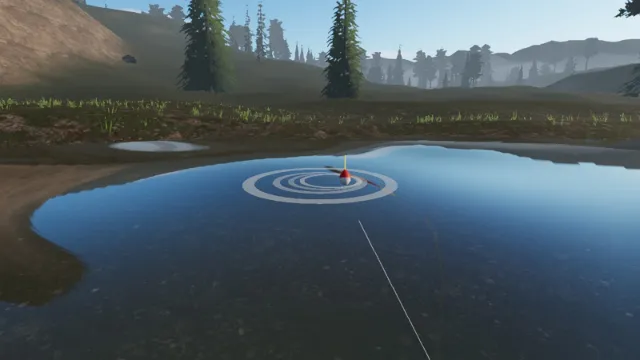
Nibbles first, bites second
Almost every fish tests a bait before taking it. It mouths it, nips the tail of the worm, nudges the corn. Each touch moves the float a little: a twitch, a dip of a few millimetres, a tiny tremble. These are nibbles, and they mean a fish is interested — not that it is hooked.
If you strike now, the hook is not yet in the fish's mouth. You pull the bait away, scare the fish and often end up with nothing. The skill is to watch, wait and stay ready until the float makes a decisive move.
The five classic bites
1. The dip
The float bobs once or twice, then dips under cleanly. This is the most common bite, and typical of perch and small trout. Strike as the float disappears.
2. The lift
The float rises, then lies flat on the surface. A bottom feeder has picked up the bait and lifted its head, taking the weight of the lowest shot off the float. Bream and tench are famous for it. Beginners wait for the float to sink — it never does. Strike as soon as it lifts.
3. The slide
The float glides away across the surface, half-submerged, sometimes leaving a little wake. A fish has taken the bait and is swimming off with it. Carp and catfish often bite this way. Wait until the float is clearly moving away steadily, then strike.
4. The plunge
The float is dragged hard under in one go and keeps going. This is a predator — a pike or a bass — hitting the bait at speed. The fish may drop the bait if it feels resistance, so strike fast.
5. The tremble
The float shivers and then sinks slowly. A cautious fish, often in deeper water, is mouthing the bait carefully. Walleye, whitefish and burbot can bite like this. Don't strike on the first shiver; wait for the steady sink.
How long do you have?
Most decisive bites give you a window of one to two seconds before the fish feels something wrong and lets go. Predators that plunge give you the least time; a fish that slides away with a bait usually gives you the most. The trick is to already be holding the rod, line tight, when the moment comes.
Make your float easier to read
- Shot it down. Add weight until only the coloured tip shows. A high-riding float hides small bites and resists the fish.
- Keep the line tight between rod and float, without dragging the float.
- Choose a bright tip that contrasts with the water: orange or red on dark water, black against bright reflections.
- Reduce drift. Sink the line just below the surface so the wind doesn't pull the float around.
Reading the float in Survival Angler
The float bites in Survival Angler are modelled on the real ones above, and each species has its own style. That means you can read the float to guess what is biting:
| Bite | What you see | Fish that bite this way |
|---|---|---|
| Dip | Bobs, then goes under | Perch, brook trout |
| Lift | Rises and lies flat | Bream |
| Slide | Glides away across the surface | Common carp, brown bullhead |
| Plunge | Dragged straight under | Pike, bass, lake trout |
| Tremble | Shivers, then slowly sinks | Walleye, whitefish, burbot |
Watch the close-up float box at the bottom right of the screen. Small twitches are nibbles — striking at a nibble shows "Too early" and scares the fish. When the bite commits, click and yank the mouse to set the hook. You have about one to two seconds, and less for a plunging predator.
Frequently asked questions
Should I strike when the float twitches?
Usually not. Twitches and small bobs are fish testing the bait, small fish picking at it, or the line settling. Strike when the float makes a decisive move: sinks, slides away, or lifts and lies flat.
What does it mean when my float lies flat?
A float that rises and lies flat has had the weight of the shot lifted off it — a fish has picked up the bait from the bottom and raised its head. It is a classic bream and tench bite. Strike straight away.
Why do I keep missing bites?
The most common reasons are striking too early at nibbles, striking too late after the fish has dropped the bait, and too much slack line between rod and float. A float set with only its tip showing also makes bites much clearer.