
Fishing guide · Watercraft
How to find fish in a lake
Most of a lake is empty water. Fish crowd into a few places that give them food, cover and the right temperature. Learn to see those places and you will spend your time where the fish actually are.
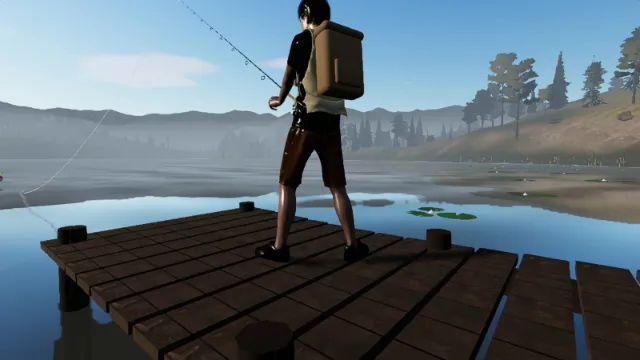
Think like a fish: food, cover, comfort
Every fish is looking for the same three things:
- Food — insects, snails, small fish, crayfish.
- Cover — somewhere to hide from predators, or to ambush prey from.
- Comfort — the right temperature and enough oxygen.
Places that offer all three hold fish. Places that offer none are usually empty, however nice they look.
The seven kinds of water to learn
Weed beds
Weed is a larder and a hiding place. Small fish, insects and snails live in it, and predators wait at its edge. The edge — where weed meets open water — is often the best spot of all. Perch, pike, bass, carp and bream all use weed beds.
Drop-offs
A drop-off is where shallow water falls away into deep water. Fish use it like a highway: they can move up to feed in the shallows and slip back into the deep in seconds. Walleye, bigger pike and lake trout patrol drop-offs.
Sunken timber and rock
Fallen trees, stumps, boulders and rocky banks break up the bottom and give fish places to hide. Smallmouth bass, perch, bullhead and burbot all like this kind of structure.
Shallows
Warm, sunny shallows fill with fish in the morning and evening and in spring. In the heat of the day many fish leave them.
Open water
Wide, featureless open water holds roaming shoals — bream and whitefish — but few ambush predators.
The deep basin
The deepest part of the lake stays cold all summer. Cold-water fish like lake trout, whitefish and burbot live here.
Creek mouths and inlets
Where a stream enters a lake it brings cold, oxygen-rich water and food. Trout gather at inlets, and many other fish visit after rain.
Read the signs on the water
Before you cast, spend a minute just watching:
- Rings and dimples — fish taking insects from the surface.
- Small fish scattering or jumping — a predator is hunting below.
- Bubbles rising in patches — bottom feeders rooting in the mud.
- Swirls and boils — a big fish turning close to the surface.
Match the spot to the time of day
The same spot can be full at dawn and empty at noon. As a rule:
- Dawn and dusk: fish move shallow and to the edges to feed.
- Bright midday: fish drop deeper, or tuck under weed and shade.
- Night: bottom feeders and night hunters move in close.
Read more in our guide on the best time to go fishing.
Finding fish in Survival Angler
The lakes in Survival Angler are built from these same kinds of water — weed beds, drop-offs, sunken timber, shallows, open water, deep basins and creek mouths — and every species has its own preferences. Brook trout, for example, almost never leave the creek mouths, while lake trout stay in the cold basin.
On top of that, fish gather in hotspots that shift every few in-game hours, preferring different kinds of water at different times of day. Walk the bank and watch for the same signs real anglers use: rises where fish take insects, dark shapes and silver flashes of fish turning in clear shallows, and fizzing bubbles where carp and bream root in the mud. Once your bait is in, the float panel tells you whether there are plenty, some or few fish where it sits.
Each spot also has its own stock, so a place that has been fished hard by everyone in the room needs time to recover. Open the map (M) to find the other lakes, creeks and trading posts. If a spot goes quiet, change the depth first, then move.
Frequently asked questions
Where do fish usually hang out in a lake?
Near edges and cover: the boundary of weed beds, drop-offs where shallow water meets deep, sunken trees and rocks, docks, and the mouths of streams. Open, featureless water usually holds far fewer fish.
How can I tell where fish are without a fish finder?
Watch the water. Rings and dimples, small fish scattering, swirls, bubbles rising and birds diving are all signs of fish. Also read the bank: a steep bank usually means deep water close in.
Do fish move during the day?
Yes. Many species come into shallow water to feed at dawn and dusk and drop back into deeper or shadier water during bright daylight. Some, such as bullhead and burbot, mostly feed at night.