
Fishing guide · Basics
Float fishing for beginners: a complete first guide
Float fishing is the simplest, most visual way to catch fish — and one of the most effective. A float holds your bait at the right depth and tells you exactly when a fish takes it.
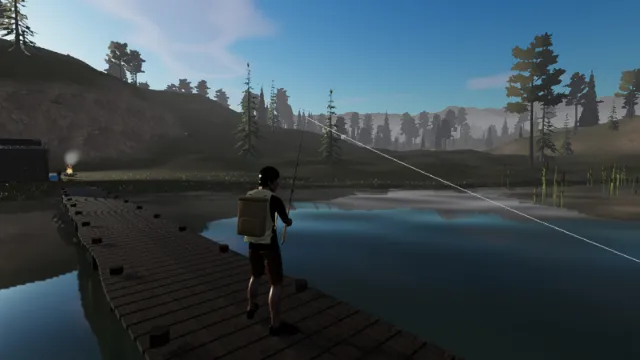
What a float actually does
A float has three jobs. It holds your bait at a chosen depth, it carries the bait out when you cast, and — most importantly — it shows you what is happening underwater. Every nibble, lift and pull on the bait moves the float.
A basic float rig is simple: the main line runs through or attaches to a float, a few small weights (called shot) pinch onto the line below it, and the hook sits at the end. The shot cocks the float upright and pulls the bait down. A float stop or the float's position on the line sets the distance between float and hook — that distance is your fishing depth.
Step 1: choose your spot
Fish gather where they find food and shelter. As a beginner, look for:
- Weed edges and lily pads — food and cover in one place.
- Overhanging trees and reed lines close to the bank.
- Jetties and docks, which shade the water.
- Signs of fish: rings on the surface, small fish scattering, bubbles rising.
Ten to twenty-five metres out is plenty. Many fish feed much closer to the bank than beginners expect.
Step 2: set the depth
Depth is the single most important setting in float fishing.
- Bottom feeders — carp, bream, bullhead, whitefish — feed on the bottom. Set the float so the bait rests on the bottom, or slightly deeper than the water so the bait and lowest shot lie on the bottom.
- Perch and predators often take a bait a little above the bottom or in mid-water.
Real anglers plumb the depth before they fish: a heavy weight on the hook shows exactly how deep the water is. Then they set the float a little deeper or shallower depending on what they are after.
Step 3: cast and settle
Cast smoothly, a little past your target, then wind back so the float sits exactly where you want it. Tighten the line just enough that you could strike without delay, but not so much that you drag the float.
Step 4: read the float
This is where most beginners go wrong. Fish rarely swallow a bait at once. They mouth it, pull at it and push it around. Each of these makes the float twitch — and striking at a twitch pulls the hook out of an empty mouth.
Wait for a decisive movement:
- the float sinks under the surface,
- the float slides away steadily,
- or the float lifts and lies flat (the classic bream bite).
Our guide on how to read a fishing float covers every bite type in detail.
Step 5: strike and play the fish
When the float commits, strike with a smooth, firm lift of the rod. Then keep the rod bent and the line tight. Let a strong fish take line when it pulls hard, and wind when it eases off. When it tires, lead it into the net or the margin.
Common beginner mistakes
- Striking at nibbles. Wait for the float to commit.
- Fishing too deep or too shallow. Change depth before changing everything else.
- Too much float showing. A float sitting high in the water is hard for a fish to pull under and hard to read.
- Staying in a dead spot. If nothing happens in 10–15 minutes, adjust depth, then move.
- Slack line. A loose line means a slow strike and lost fish.
Float fishing in Survival Angler
The fibreglass float rod you start the game with works exactly this way:
- Bait up with natural bait — worms, sweetcorn or live minnows. Press Q to switch bait.
- Set the depth with Z (shallower) and X (deeper); hold Shift for 50 cm steps. Set it deeper than the water to put the bait on the bottom for carp, bream and bullhead.
- Cast: face the water, hold the left mouse button to build power and release.
- Watch the float in the close-up box at the bottom right. Twitches are nibbles — don't strike yet.
- Strike: when the float goes under, slides away or lifts flat, click and yank the mouse sharply. A yank sets the hook more solidly than a plain click.
- Fight: roll the wheel down to wind. If the tension bar turns red, stop and give line; if it turns grey, wind faster.
If nothing bites after two or three minutes, right-click to wind in, then try a different depth, spot, bait or time of day.
Frequently asked questions
How deep should I set my float?
Start with the bait just off the bottom, then adjust. Bottom feeders such as carp and bream feed on the bottom; perch and predators often take a bait a little higher in the water. If nothing happens, change the depth before you change the spot.
Why does my float keep bobbing without a bite?
Small bobs and twitches are usually fish nibbling or testing the bait — or small fish picking at it. Wait for a decisive movement: the float sinking, sliding away, or lifting and lying flat.
What is the best float for beginners?
A simple waggler or a stick float with enough shot to sit with only the coloured tip showing. The less of the float above the water, the more easily a fish can pull it under — and the easier bites are to see.