
Fishing guide · Timing
The best time to go fishing: time of day, weather and season
The same lake can feel empty at noon and come alive an hour before dark. Fish feed on a schedule set by light, temperature and weather — learn it and plan your fishing around it.
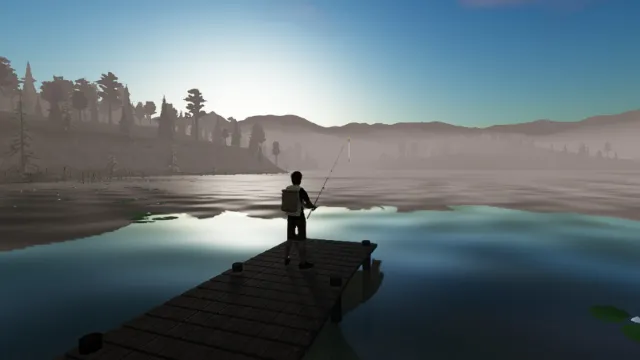
Why time matters
Fish are cold-blooded, and most of them hunt by sight. That means two things control when they feed: light and temperature.
- In bright light, small fish can see predators coming, so predators find it hard to hunt — and big fish feel exposed in shallow water.
- In low light, predators gain the advantage, and everyone feels safer moving into the food-rich shallows.
- Temperature sets how active fish are. Cold water slows them down; comfortably warm water speeds them up.
Dawn: the first golden window
The first hour or two after first light is one of the best times to fish. Predators move into the shallows to hunt, insects hatch, and fish that rested overnight are hungry. Surface lures, weed edges and shallow margins are at their best.
Midday: fish deeper and slower
As the sun climbs, many fish drop deeper or tuck into the shade of weed, docks and trees. Fishing gets harder but not impossible: go deeper, fish close to cover and slow your presentation. Fish of the cold, deep water — lake trout, whitefish — feed fairly evenly through the day.
Dusk: the second golden window
The last hours of daylight are often even better than dawn. Walleye, pike, bass and perch move up to feed, and bream shoals start to roll. Many anglers plan their whole trip around the evening.
Night: a different set of fish
When it gets dark, a new group of fish takes over:
- Carp often feed most confidently at night.
- Bullhead and other catfish hunt by smell and touch.
- Walleye keep feeding into the first hours of darkness.
- Burbot feed almost only in full darkness.
Bring a headlamp, fish on or near the bottom, and use baits with plenty of scent.
Weather
- Overcast and breezy: often excellent — less light, ruffled surface, fish feel safe.
- Bright, calm, hot: usually the hardest; fish early, late or deep.
- Light rain: frequently good, especially for trout and predators.
- Wind: blowing onto a bank, it pushes food there — and fish follow.
- Storms: stop fishing. Carbon rods and lightning do not mix.
Season
- Spring: fish move shallow to spawn and feed as the water warms.
- Summer: early mornings, evenings and nights are best; cold-water fish go deep.
- Autumn: fish feed hard to build reserves before winter — often a great time for big predators.
- Winter: fish slow down; burbot, whitefish and pike remain good targets.
Feeding times by species
| Fish | Best times |
|---|---|
| Northern pike | Dawn and dusk |
| European perch | Dawn and dusk; little at night |
| Walleye | Dusk and night |
| Largemouth & smallmouth bass | Dawn and dusk |
| Brook trout | Dawn and dusk |
| Lake trout | All day, deep; first light |
| Common carp | Night and early morning |
| Bream | Dusk and night |
| Lake whitefish | All day, deep |
| Brown bullhead | Night |
| Burbot | Full darkness only |
Time of day in Survival Angler
Survival Angler has a full day-night cycle, and fish follow it. The feeding windows at dawn and dusk are shown at the top left of the screen — in those windows bites and surface activity roughly double. During the day predators sit deeper; at night bullhead and burbot come out and carp grow bold.
Fishing through the night means surviving it, too: build a fire, cook your catch, keep warm and wear a headlamp to see the path and the water in front of you. The table above uses the same activity patterns the game uses for each species.
Frequently asked questions
What time of day is best for fishing?
For most freshwater fish, the first two hours after sunrise and the last two hours before sunset. Low light makes fish bolder and brings predators into shallow water to hunt.
Do fish bite in the rain?
Often, yes. Light rain and overcast skies cut the light and can trigger feeding, and rain can wash food into the water. Thunderstorms, however, are dangerous — stop fishing and leave the water.
Is night fishing good?
For some species it is the best time: carp, catfish such as bullhead, walleye and burbot all feed well after dark. Other fish, such as perch, feed very little at night.