
Fish species · Bottom feeder
Bream: shoal fish of the open water
Bream travel in big shoals and feed head-down on the bottom. Find a shoal, keep it feeding, and you can catch fish after fish — if you can read their unusual bite.
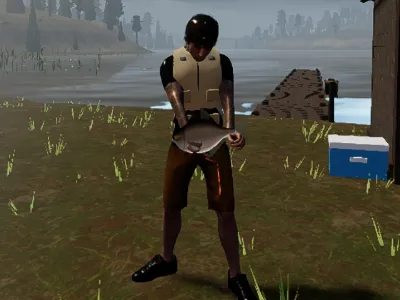
How to recognise a bream
The common bream (Abramis brama) is a deep, flat-sided fish — tall from back to belly but thin when viewed head-on. Young bream are silvery; older fish turn bronze. It has a small, tube-like mouth that extends downward to suck up food from the bottom, and is covered in a thick layer of slime. A typical bream weighs 0.5–2 kg.
Where bream live
Bream shoal in open water over soft bottoms in lakes, canals and slow rivers. Big shoals roam a wide area following food:
- Open, silty areas a little away from the bank.
- The bottom of gentle slopes and in the middle depths.
- Weedy margins at night, when the shoals move in.
When bream feed
Bream are classic dusk and night feeders, especially in summer. A warm, overcast day can bring bites in daylight too. Watch for "fizzing" bubbles and dark patches of coloured water — signs of a shoal grubbing on the bottom.
Best baits for bream
- Worms — chopped or whole, a classic bream bait.
- Sweetcorn — bright, easy to see, and bream love it.
- Maggots and casters.
- Bread flake.
- Groundbait laced with a few hook baits, to draw and hold a shoal.
How to catch bream
- Pick an open spot. Bream are less tied to cover than perch or pike; open water is fine.
- Bait up. Feed a few balls of groundbait or a handful of corn, then fish over it.
- Fish on or near the bottom. Set the float so the bait just touches bottom.
- Read the lift bite. When a bream picks up the bait it tilts up, lifting the shot — the float rises and lies flat. That is the moment to strike.
- Keep the shoal there. Feed a little after every fish so the shoal doesn't move on.
Handling bream
Bream are slimy and calm when landed. Keep them wet, unhook quickly and release gently, holding them upright for a moment.
Bream in Survival Angler
- Where to look
- Open water, Shallows, Weed beds
- Depth
- 1–6 m (3–20 ft)
- Most active
- Dusk & Dawn
- Best baits
- Sweetcorn & boilies, Worms & nightcrawlers
- Typical size
- 0.8 kg (1.8 lb)
- Trophy from
- 2.5 kg (5.5 lb)
- Float bite
- Lifts and lies flat — the float rises and falls flat as the fish lifts the shot. Strike straight away.
- How it fights
- Head-shaking and thrashing close in — keep steady pressure.
Numbers come straight from the game’s fish data, so the page and the lake always agree.
In Survival Angler, bream roam the open water in shoals and feed best at dusk and after dark. Corn or worm fished on the bottom will catch them — patience is rewarded. Their bite is the famous lift: the float rises and then falls flat. Many beginners wait for it to sink and miss every bite; strike as soon as it lies flat. Bream thrash and shake their heads rather than run.
Frequently asked questions
What is the best bait for bream?
Worms, sweetcorn, maggots and bread all catch bream. Feed a little groundbait or loose corn to hold the shoal in front of you.
What is a lift bite?
A lift bite is when the float rises up and then lies flat on the surface instead of sinking. A bream picks the bait off the bottom and lifts its head, taking the weight of the shot off the float. Strike straight away.
When is the best time to catch bream?
Dusk and into darkness is usually best, especially in summer. Overcast, mild days are good too.