
Fish species · Night feeder
Burbot: the freshwater cod of the deep, dark water
Burbot are the only member of the cod family that lives in fresh water. They hide deep by day and hunt the bottom in total darkness — a true night-fishing prize.
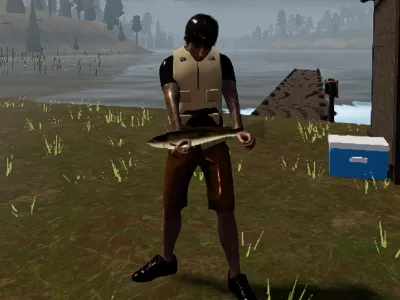
How to recognise a burbot
The burbot (Lota lota) is unmistakable once you have seen one. It has a long, tapering body that looks almost eel-like, mottled yellow-brown skin with tiny scales and a slimy coat, a broad flattened head and a single barbel under the chin. The second dorsal fin and the anal fin run most of the length of the body. Typical burbot weigh 0.5–2 kg.
Where burbot live
Burbot are cold-water fish of deep lakes and large rivers in the northern hemisphere:
- Deep basins and drop-offs during the day and in summer.
- Rocky bottoms and structure, where they hide in crevices.
- Shallower rocky and gravel areas at night and in winter, when they come up to hunt and spawn.
When burbot feed
Burbot are almost entirely nocturnal. They feed in the dark by smell and touch, and are most active in cold water — late autumn, winter and early spring. They are famous for spawning in huge balls of fish under the ice in mid-winter, which is when many anglers target them.
Best baits for burbot
- Minnows and small fish, live or dead, on the bottom.
- Cut fish — strips or chunks give off a strong scent trail.
- Worms, especially in rivers.
- Glowing jigs tipped with bait for ice fishing.
How to catch burbot
- Fish after dark. Daylight burbot fishing is rarely worth it.
- Fish on the bottom. Burbot feed right on the bottom; keep your bait there.
- Fish deep — or at the edge of deep water. Rocky drop-offs near deep water are prime spots.
- Use scent. A fresh, smelly bait draws fish from a distance in the dark.
- Wait for the bite to develop. Burbot often mouth a bait slowly. Strike when the float sinks steadily or the line tightens.
Handling burbot
Burbot are slimy and tend to wrap around your arm. A landing net and a damp cloth help. They often swallow baits, so strike reasonably promptly.
Burbot in Survival Angler
- Where to look
- Deep basin, Drop-offs, Sunken timber & rock
- Depth
- 3–14 m (10–46 ft)
- Most active
- Night
- Best baits
- Live minnows, Worms & nightcrawlers
- Typical size
- 1.2 kg (2.6 lb)
- Trophy from
- 4 kg (8.8 lb)
- Float bite
- Trembles — the float shivers and slowly sinks. Wait for it to commit, then strike.
- How it fights
- Dives for the bottom — lift and gain line between dives.
Numbers come straight from the game’s fish data, so the page and the lake always agree.
In Survival Angler, burbot only bite in full darkness, deep down on the drop-offs and in the deep basin. A live minnow or a worm fished deep after nightfall is the way to catch one. The bite is a slow tremble — wait for the float to commit before striking. When hooked, burbot dive for the bottom. Light a fire, put on a headlamp and settle in for the night.
Frequently asked questions
What does a burbot look like?
A burbot looks like a cross between a cod and an eel: a long, slimy, mottled body, a broad flat head, long dorsal and anal fins, and a single barbel hanging from its chin.
When is the best time to catch burbot?
At night, and in the coldest months of the year. Burbot spawn under the ice in mid-winter and are most active and catchable in cold water.
What bait do burbot take?
Minnows and other small fish, cut bait and worms fished on the bottom. Burbot feed by smell and touch in the dark, so scented natural baits work best.