
Fish species · Predator
Smallmouth bass: pound for pound the hardest fighter
Bronze, aggressive and acrobatic, smallmouth bass punch far above their weight. Find hard cover in clear water and you will find them.
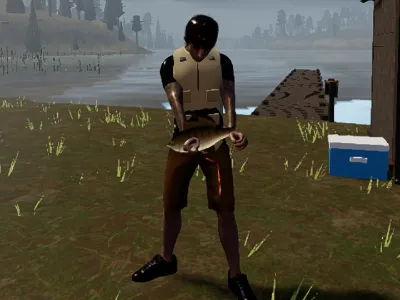
How to recognise a smallmouth bass
The smallmouth bass (Micropterus dolomieu) is a compact, muscular fish, bronze to olive-brown with faint dark vertical bars and often a reddish eye. The quickest way to tell it from its cousin the largemouth is the jaw: on a smallmouth, the upper jaw ends roughly below the middle of the eye. Typical fish weigh 0.5–1.5 kg, and anything over 2.5 kg is outstanding.
Where smallmouth bass live
Smallmouth prefer cooler, clearer water than largemouth, and they love hard bottom:
- Rocky drop-offs, boulders and gravel points.
- Sunken timber — fallen trees, stumps and old logs.
- Steep banks where deep water comes close to shore.
They often hold slightly deeper than largemouth and move along rocky edges in loose groups.
When smallmouth bass feed
Smallmouth feed well through much of the day in clear, cool water, with peaks at dawn and dusk. Sunny, calm days push them deeper along the rocks; wind blowing onto a rocky bank stirs up food and often switches them on.
Best lures for smallmouth bass
- Tubes and craw imitations dragged along rocky bottom — they mimic crayfish, the favourite food.
- Inline spinners in silver or gold for active fish.
- Small crankbaits that bump the rocks.
- Topwater poppers early and late on calm water.
- Worms and live minnows on light tackle if you prefer natural bait.
How to catch smallmouth bass
- Look for hard cover. Rocky points, steep stony banks and sunken timber are the first places to try.
- Bump the bottom. Many smallmouth bites come when a lure knocks into a rock and deflects.
- Cover water. Keep moving along the rocks until you find active fish, then slow down.
- Use the wind. A windward rocky bank is often the best spot on the lake.
- Keep it tight. When a smallmouth jumps, keep the line under steady tension — slack line is how they throw the hook.
Handling smallmouth bass
Bass can be lifted briefly by the lower lip with a firm thumb grip — support bigger fish under the belly as well. Unhook quickly and let the fish swim away on its own.
Smallmouth Bass in Survival Angler
- Where to look
- Sunken timber & rock, Drop-offs
- Depth
- 1–7 m (3–23 ft)
- Most active
- Dawn & Dusk
- Best baits
- Popper (surface lure), Live minnows, Worms & nightcrawlers
- Typical size
- 1 kg (2.2 lb)
- Trophy from
- 2.8 kg (6.2 lb)
- Float bite
- Plunges — the float is pulled hard under in one go. Strike fast — the window is short.
- How it fights
- Leaps clear of the water — keep the line tight when it jumps.
Numbers come straight from the game’s fish data, so the page and the lake always agree.
In Survival Angler, smallmouth bass live on the sunken timber and rocky drops. A small popper or a worm close to the timber works well through the day. The bite is a plunge — the float is pulled hard under — so strike fast. Smallmouth fight far above their weight and jump: keep the line tight when the fish clears the water or it will throw the hook.
Frequently asked questions
How do you tell a smallmouth from a largemouth bass?
On a smallmouth the upper jaw ends below the eye, and the body is bronze-brown with faint vertical bars. On a largemouth the jaw extends well past the eye and there is a dark horizontal stripe along the side.
What do smallmouth bass eat?
Crayfish, small fish and insects. That is why crayfish-coloured lures, tubes and small crankbaits worked along rocky bottoms are so effective.
Why do smallmouth bass jump?
Jumping and head-shaking is how a bass tries to throw the hook. Keep steady pressure and the rod tip low as it jumps, so the line never goes slack.